



1. What Is A Virtual Power Plant?
A virtual power plant aggregates distributed energy resources such as batteries or generators and manages them as a coordinated power system.
Power Need
Utilities are exploring new ways to manage peak electricity demand while improving grid efficiency and controlling costs. Liberty-New Hampshire, a local electric provider, sought a way to optimize distributed battery storage across residential locations while improving energy reliability.
Solution
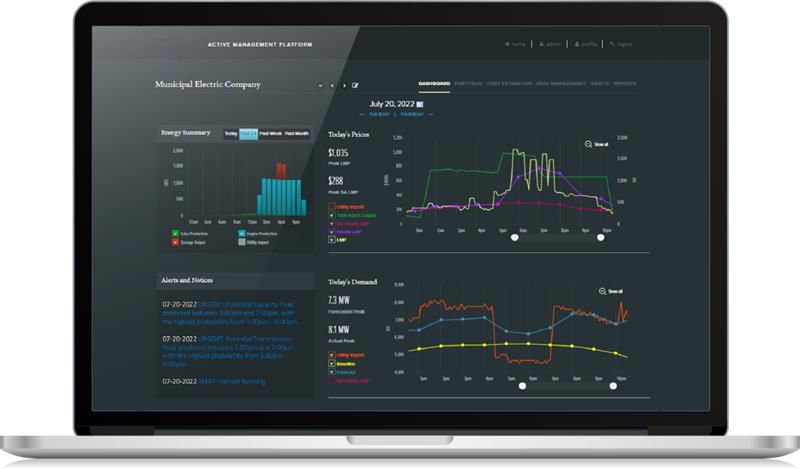
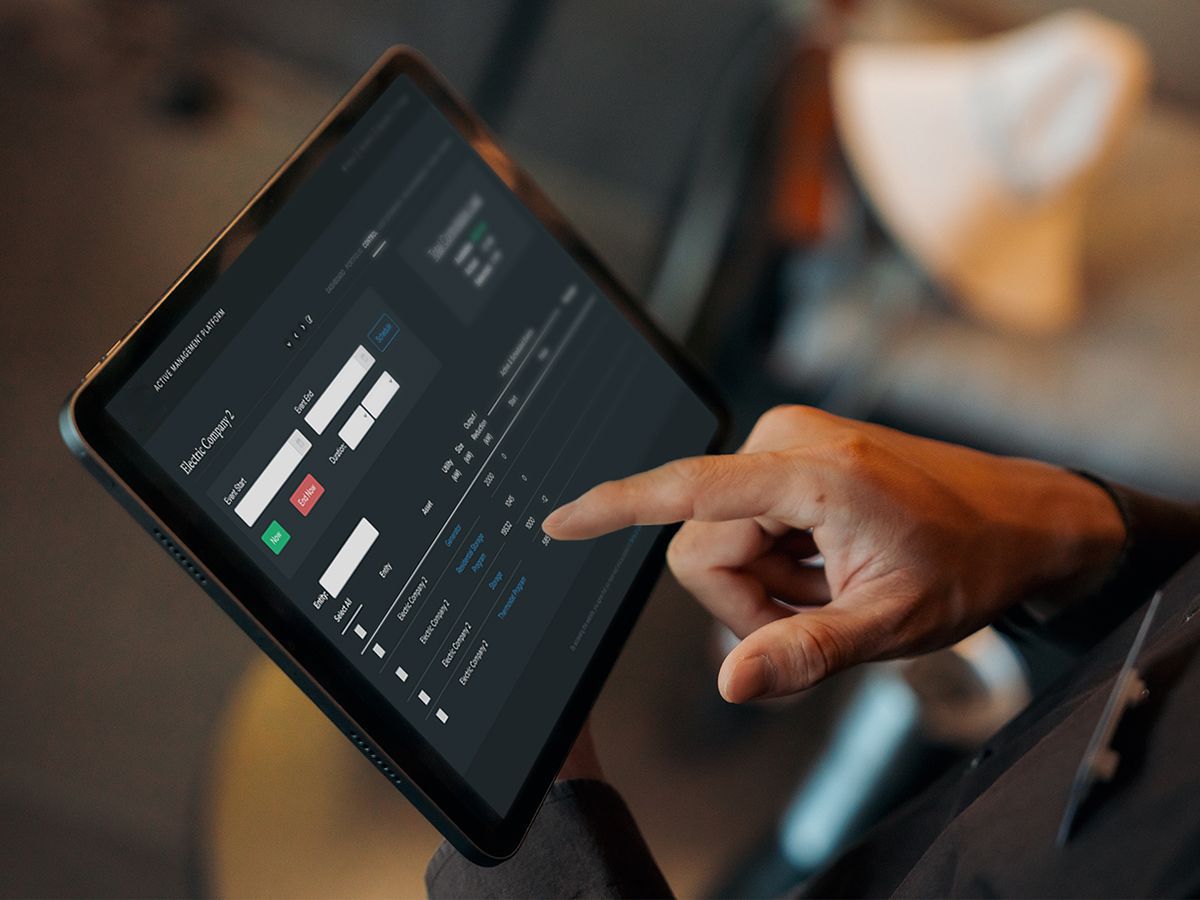
To address these needs, Liberty implemented a virtual power plant (VPP) solution as part of its battery storage pilot program. The initiative installed 2600 kWh of lithium-ion battery storage across 100 homes, supported by a distributed energy resource management platform to coordinate grid demand and optimize performance.
Results
As a result, the distributed battery system reduces peak electricity demand, improves grid efficiency, and provides backup power for participating households. The pilot program has already delivered measurable savings by lowering transmission and capacity costs while providing monthly utility savings for customers.
How does distributed battery storage improve grid performance?
2600 kWh
Of lithium-ion
battery storage deployed
100
Homes participating
in the pilot program
$180,000
Annual savings in avoided transmission
and capacity costs
Actual results may vary based on conditions and other factors.
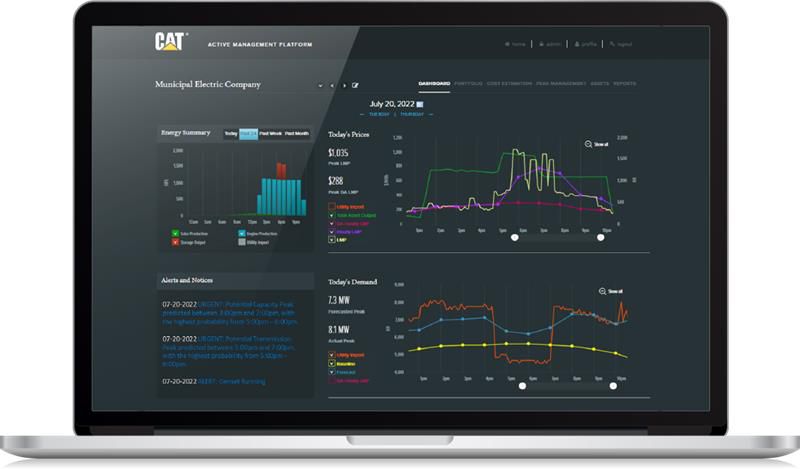
What do thousands of data points, one very busy power grid and an endless supply of sourdough pretzel nuggets have in common? They’re all part of a typical day for Claire Gramlich. With extreme weather, unpredictable demand and equipment spread across four time zones, it’s hard to call any day “typical.” But to get a sense of how Claire and her team keep power flowing — and costs down — for Tangent Energy customers, here’s a look at one record-hot July day last summer.
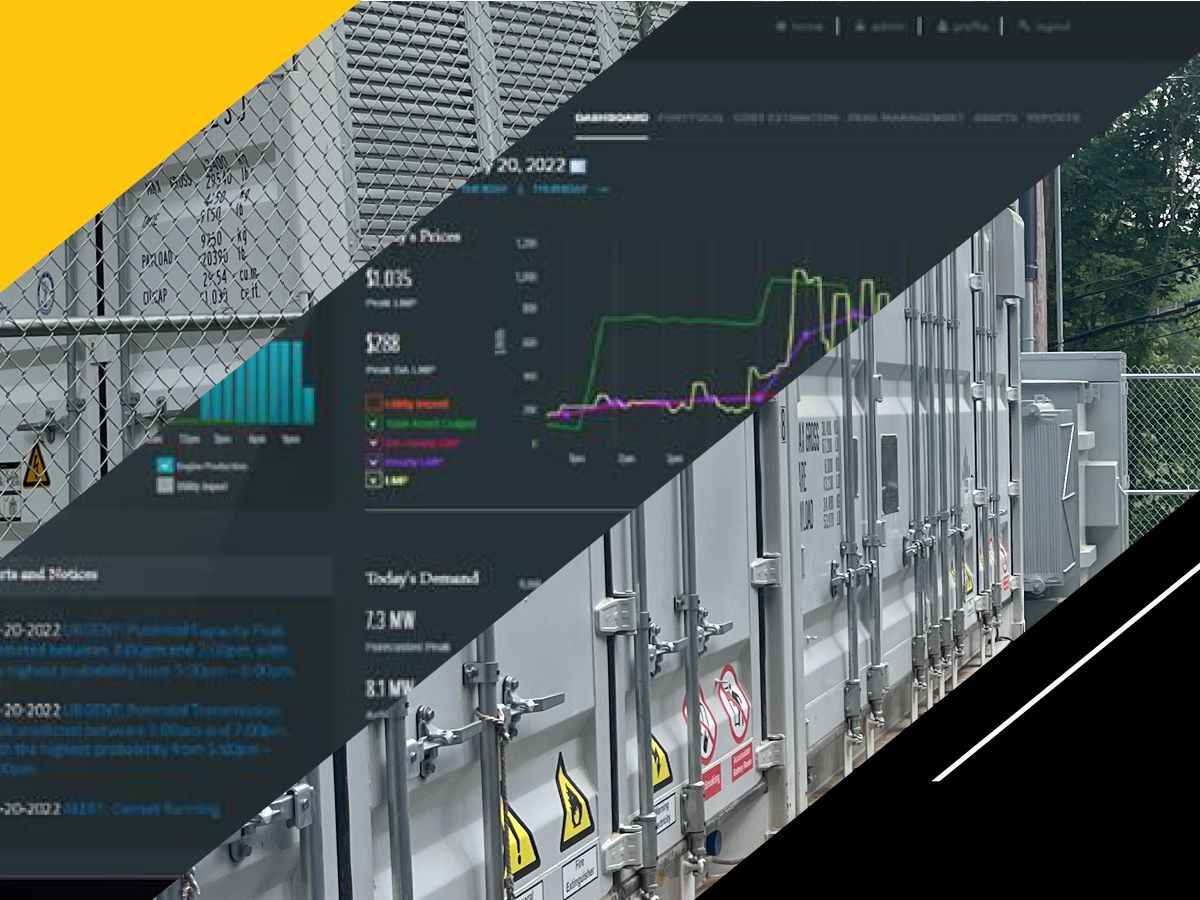
Learn MoreDanvers Electric deployed a 4.99 MW/15 MWh battery energy storage system integrated with an advanced energy management platform to manage peak demand, improve grid reliability, and support long-term community goals. Learn how this municipal utility uses battery storage and intelligent energy management to reduce costs and prepare for growing electricity demand.
Learn MoreA virtual power plant aggregates distributed energy resources such as batteries or generators and manages them as a coordinated power system.
Batteries charge when electricity demand is low and discharge during high-demand periods, reducing strain on the grid.
Through advanced energy management platforms that analyze grid conditions and dispatch energy assets to optimize performance and cost savings.
Yes. Battery systems provide backup power during outages and help utilities balance supply and demand more efficiently.